Part 1: Introduction – The Hidden Loss From Mismatched Packaging Motors
If you operate a commercial food packaging production line, you will inevitably encounter recurring motor failures that drag down overall output:
1.Motors stall frequently during heavy startup of weighing, clamping and sealing mechanisms, triggering overload protection and halting the entire production line;
2.Standard motors break down rapidly after daily high-pressure workshop washdowns, due to insufficient sealing and low IP protection grade;
3.Aluminum-wound budget motors overheat under 24-hour continuous packaging loads, pushing up monthly electricity bills and frequent replacement costs;
4.Non-hygienic motor design creates cleaning dead angles or uses non-food-safe grease, leading to failed food safety audits and product contamination risks.
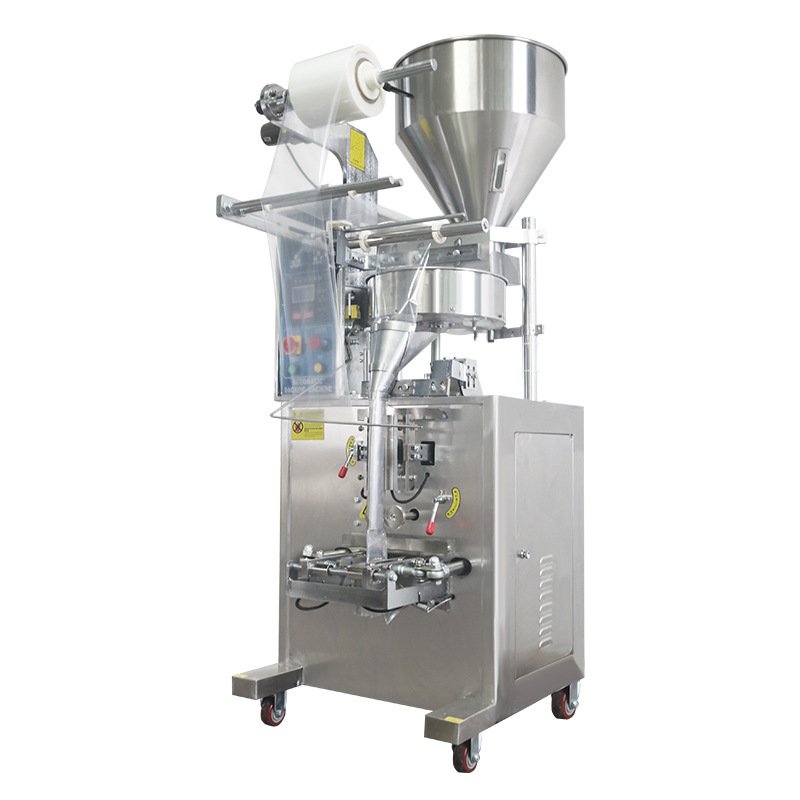
Selecting an unsuitable motor brings more than unplanned downtime — it creates hidden risks to food safety, repeated maintenance expenditure and wasted production capacity. This neutral, all-scenario guide breaks down every critical factor for picking durable, hygiene-compliant drive motors for all types of commercial food packaging machinery, covering vertical baggers, pre-made pouch sealers and multi-head weighing packaging lines.
Global packaging machinery manufacturers rely on standardized industrial asynchronous motors as core drive components, with hundreds of thousands of units deployed across food processing workshops every year. The key difference between stable long-running equipment and problematic lines lies in targeted motor selection tailored to your unique production environment.
Part 2: Core How-To Guide – The 5-Step Universal Motor Selection Framework For Food Packaging Lines
Step 1: Calculate Required Power Margin Based On Packaging Machine Load Type
First, quantify your equipment’s peak working load to lock the correct motor rated power, always reserve a 15%~20% power safety margin for continuous heavy operation:
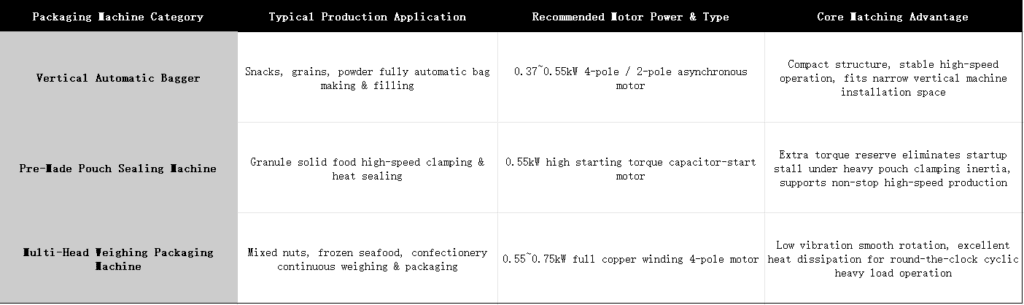
·Vertical snack/grain automatic baggers: Medium intermittent load, standard power range 0.37kW ~ 0.55kW three-phase asynchronous motor;
·High-speed pre-made pouch sealing machines: Large startup inertia from pneumatic clamping structures, must select high starting torque type motors with extra torque reserve;
·Multi-head weighing mixed food packaging machines: Long-hour non-stop cyclic operation, recommend 0.55kW ~ 0.75kW full copper winding motors for stable heat dissipation.
Rule of thumb: If your production line runs more than 16 hours daily, expand the power margin to 20% to slow motor aging from long-term overload.
Step 2: Match IP Protection Grade According To Daily Workshop Cleaning Process
Food packaging facilities require regular sanitization, and the motor’s IP rating directly determines its service lifespan:
1.Dry cleaning only (no water spraying): IP54 fully enclosed housing meets basic dust-proof requirements (general standard configuration);
2.Daily low-pressure water rinsing: Upgrade to IP65 sealed terminal box variant to block splashing water and mild sanitizer mist;
3.High-temperature high-pressure hot water disinfection (meat, dairy, frozen food production lines): Custom IP66 / IP69K washdown-grade motor casing, fully isolated from high-heat sanitizing liquid intrusion.
All industrial asynchronous motor series support customized upgrade of protective enclosures for high-hygiene food workshops.
Step 3: Select Motor Housing Material & Surface Treatment For Food Hygiene Compliance
Corrosion accumulation and hard-to-clean recesses are two major hidden food safety hazards:
·Standard economical option: Thick cast iron housing with anti-rust coating, suitable for dry grain, snack and powder packaging environments;
·Premium food hygiene variant: Optional seamless 304 stainless steel casing, smooth surface without cleaning dead angles, easy to wipe and sanitize, ideal for sauce, fresh meat and dairy production lines.
Avoid thin cheap aluminum casings — they corrode rapidly under repeated exposure to acidic and alkaline sanitizers.
Step 4: Confirm NSF H1 Food-Grade Lubrication Certification
Conventional industrial grease will cause food cross-contamination once oil leakage occurs. All motors configured for food packaging equipment must use NSF H1 certified food-contact lubricant, complying with international food safety standards.
When sourcing generic motors from suppliers, always request official NSF H1 lubricant certification documents before installation on food production machinery.
Step 5: Check Custom Functional Requirements To Finalize Motor Selection
Confirm whether your packaging line needs customized motor functional parameters before ordering:
1.High starting torque demand (bag clamping, heavy weighing buckets): Choose capacitor-start asynchronous motors with starting torque reaching 2.5~3 times rated torque;
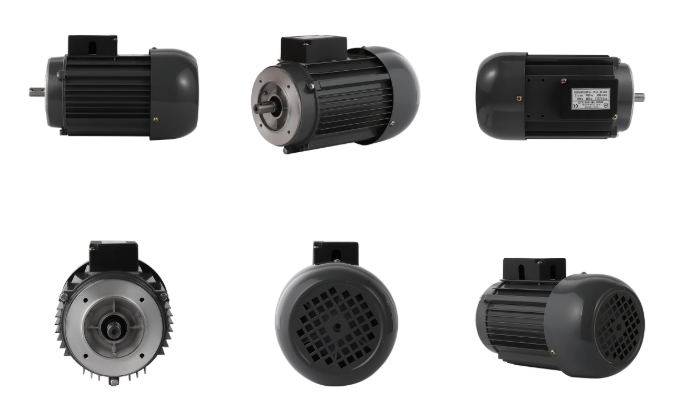
2.Custom installation dimensions: B3 foot mount / B5 flange mount two mainstream installation forms, can be modified to match existing machine frames;
3.Special regional power grid standards: Custom three-phase voltage (220V / 380V) and 50/60Hz frequency winding design;
4.Low noise demand for closed clean workshops: Balanced rotor and precision silent bearing customized version available.
Part 3: Build Professional Trust – In-Depth Technical Whitepaper + Universal Selection FAQ
3.1 Technical Whitepaper: Hidden Production Losses Caused By Improper Packaging Motor Matching
- Why High Starting Torque Is Mandatory For Food Packaging Equipment
Ordinary standard three-phase asynchronous motors only deliver 1.8 times rated starting torque. When packaging machines clamp thick flexible pouches or drive multi-head weighing buckets, insufficient torque triggers overload trips, reducing overall production efficiency by 20%~40%.
Capacitor-augmented high starting torque motor structures add an independent auxiliary startup circuit and centrifugal switch, boosting startup torque to 2.5~3x rated value. The design smoothly breaks heavy inertia loads without stalling — this is the core performance difference between food packaging dedicated motors and general industrial motors. - 100% Pure Copper Winding Cuts Long-Term Factory Operating Costs
Stators wound with full pure copper wire feature far superior electrical conductivity and heat dissipation compared to aluminum winding alternatives. Under 24-hour continuous packaging operation, internal temperature rise reduces by 12~18℃, cutting monthly power consumption by 10%~16% and drastically lowering motor burnout maintenance frequency. - Hygienic Motor Structure Acts As The Invisible Food Safety Barrier
Generic motor housings with gaps, grooves and protruding components trap food debris, grease and bacteria, leading to failed FDA / BRC factory hygiene audits. Food-grade customized motors adopt fully enclosed seamless casings, detachable fan covers and dedicated food-safe lubrication systems, fully meeting global food machinery sanitation standards.
3.2 FAQ: Top 10 Universal Questions About Food Packaging Motor Selection
Q1: What IP grade motor do I need for frozen food lines with daily high-temperature washdown?
A: Select washdown-grade IP66 / IP69K fully sealed motor casing, resistant to direct 80℃ high-heat sanitizer water spray.
Q2: Can aluminum-wound budget motors support 24-hour continuous packaging production?
A: Not recommended. Aluminum windings heat up rapidly under long heavy loads, causing frequent unplanned downtime and burnout; prioritize 100% pure copper winding motors for continuous operation.
Q3: What’s the core difference between asynchronous motors and servo motors for packaging equipment?
A: Asynchronous motors provide stronger startup torque for heavy mechanical loads, with lower purchase and maintenance costs, no complex matching drive controllers. Servo motors are only suitable for ultra-precise high-speed labeling positioning. Most standard filling and sealing packaging lines opt for cost-effective asynchronous motors.
Q4: Do all food packaging matched motors come with NSF H1 food-grade grease as standard?
A: Motors designated for food production equipment must be pre-filled with NSF H1 certified lubricant; non-food industrial motors use ordinary industrial grease without food safety certification.
Q5: Can motor shaft diameter and mounting flanges be customized to fit existing old packaging machines?
A: Yes, most motor manufacturers support full OEM modification of shaft size, B3/B5 mounting form, terminal box position and operating voltage.
Q6: What are the standard MOQ and lead time for food packaging dedicated asynchronous motors?
A: Standard stock general models support MOQ 2pcs, shipped within 48 working hours; customized parameter orders require 3~7 working days production cycle.
Q7: What is the standard warranty range for packaging production line motors?
A: General warranty spans 3 months to 1 year; extended warranty agreements are available for bulk factory mass orders.
Q8: Will high starting torque motors consume extra electricity during regular running operation?
A: No. Once the motor reaches rated speed, the centrifugal switch disconnects the auxiliary capacitor circuit, so normal operating power consumption remains consistent with standard asynchronous motors.
Q9: How often does a food workshop motor require routine maintenance?
A: General light-load packaging lines conduct lubrication maintenance every 6 months; high-pressure washdown heavy-load lines shorten the cycle to 3~4 months.
Q10: How to confirm if a motor is compatible with vertical baggers, pre-made pouch sealers and multi-head weighing machines?
A: Match power range, starting torque reserve and IP protection grade according to each machine’s load characteristics, following the 5-step selection framework in this guide.
Part 4: Boost Sales Conversion – Universal Equipment Matching Guide + Industry Upgrade Case
4.1 Universal Motor Parameter Matching Table For Three Main Types Of Food Packaging Machinery
4.2 Industry Upgrade Case: Frozen Seafood Factory Packaging Line Motor Retrofit
A large frozen seafood processing plant in Southeast Asia originally equipped low-cost aluminum-wound standard three-phase motors across 12 sets of multi-head weighing packaging production lines.
1) Original Long-Term Pain Points:
1.Motors stall 3~5 times per shift during startup, resulting in over 1200 wasted finished packaging bags every single day;
2.Monthly motor replacement and maintenance expenses reached $860;
3.Standard IP54 motors suffered frequent water damage breakdowns after weekly high-temperature sanitizer washdown.
2) Retrofit Solution: All drive motors replaced with full copper winding high starting torque asynchronous motors, upgraded to custom IP66 washdown enclosures and pre-filled NSF H1 food-grade lubricant.
3) Measurable Improvement Data After 3 Months Of Operation:
·Zero startup stall faults, daily finished product output increased by 32%;
·Monthly motor maintenance costs dropped 78% to only $189;
·All water-damage motor breakdowns eliminated, the factory successfully passed local food hygiene regulatory audits.
The plant now purchases over 50 replacement asynchronous motors every quarter to support new packaging line expansion projects.
Stop losing production revenue due to mismatched, low-quality drive motors for your food packaging lines. Use this 5-step selection framework to source hygienic, high-torque, long-lasting asynchronous motors tailored to your unique workshop environment and equipment load demands.
👉 Download the complete universal food packaging motor selection checklist & parameter matching chart
👉 Reach out to motor engineering suppliers to request technical datasheets, sample testing and custom dimension modification services
Global sea and air freight shipping options are available; standard stock motor models support fast 48-hour delivery worldwide.